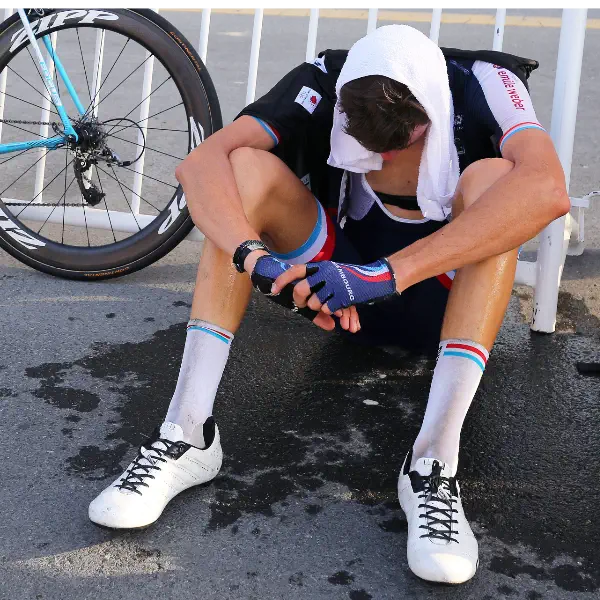
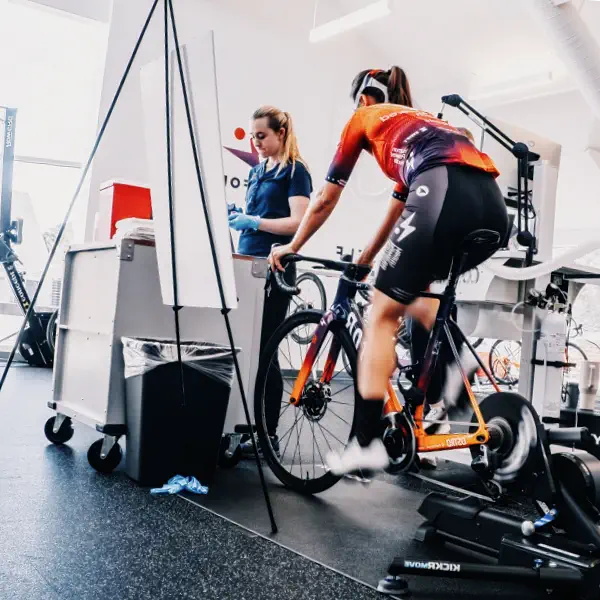
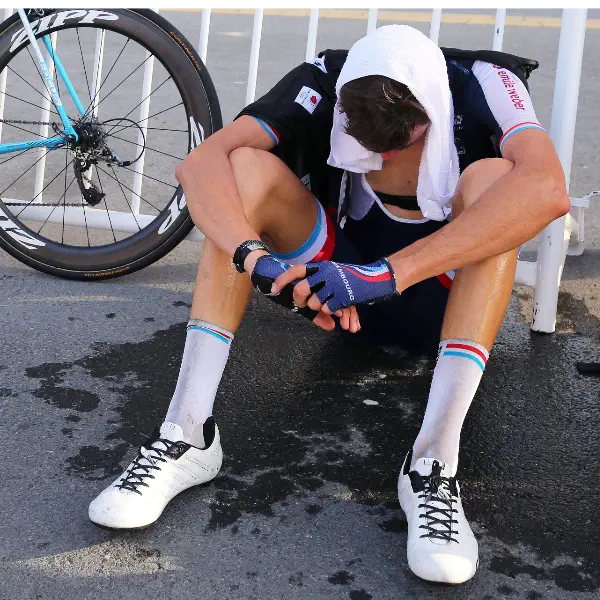
Gone are the rigid 3-week build, 1-week rest cycles of yesteryear. The pros aren’t just logging big miles—they’re stacking them. Think 4 to 5 grueling weeks of high-volume riding straight into a single de-load week. And no, you don’t get off easy just because it’s Wednesday.
This isn’t mindless mileage. As Andrew Giniat of FasCat Coaching explains 6, the aim is to build fatigue resistance—the ability to keep producing power even when your legs feel like undercooked spaghetti and your soul is questioning life choices.
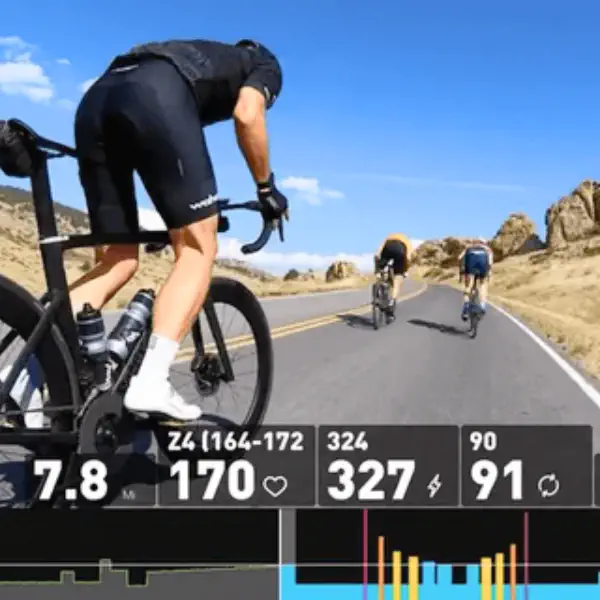
How do they do it? By scheduling key intervals not after a perfect warm-up, but after they’ve already burned 2,000, 3,000, or even 4,000 kilojoules. Imagine doing 4x10min at threshold… on hour five, after your breakfast has long since stopped waving goodbye.
Pro teams live this: BORA–Hansgrohe drops sprints in the 5th hour of training rides 6. EF Education-EasyPost layers sustained sweet-spot efforts onto already-tired athletes. It’s not just about fitness—it’s about teaching the body and mind to perform under duress.
The INEOS Grenadiers are known for their arduous training blocks, with one source noting these are “some of the hardest training blocks that the riders will undergo all year” 15. These are designed to push riders to their limits, often at altitude, where the combination of reduced oxygen and high workload drives deep physiological adaptations.
Takeaway: You don’t need 30-hour weeks, but try this: once a month, do a long ride (3+ hours) and tack on 3x8min at 90-95% FTP in the final hour. Your future race day self will thank you.
And yes, you also need that de-load week. Skip it, and you’re not a warrior—you’re just tired.